
 English
  Spanish
  Korean
  Chinese
 A Love Game: Tennis at Westbury House
By Lorraine Gilligan, Director of Preservation
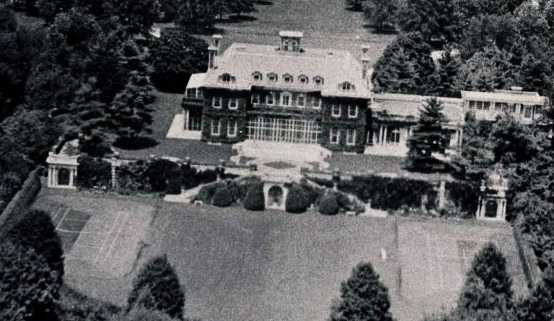
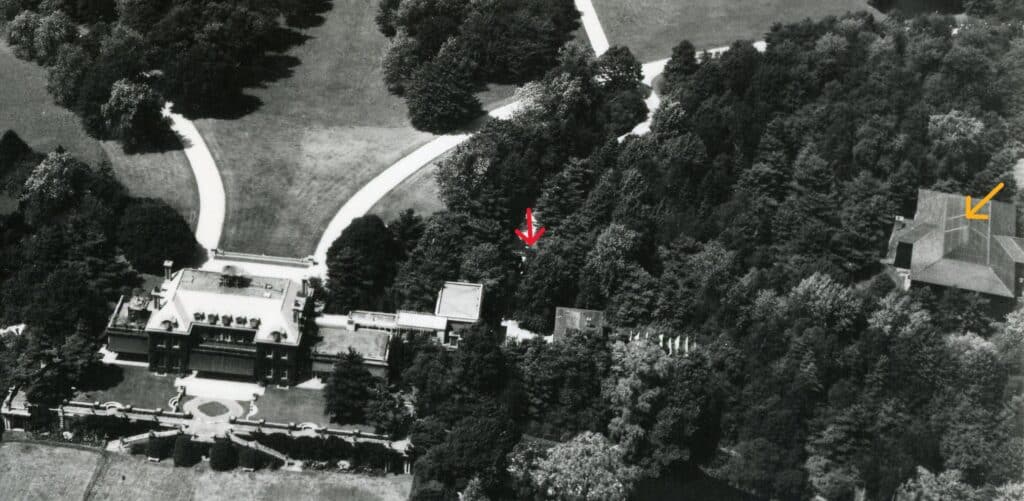
Now that the Wimbledon Championships, commonly called Wimbledon, an annual tennis tournament organized by the All England Lawn Tennis and Croquet Club and played on its famously slippery grass courts, have concluded, I’m reminded of Mr. Phipps’ love of the sport. Aerial views of Westbury House and the South Lawn show courts in the north corners of the great expanse of grass (see above).
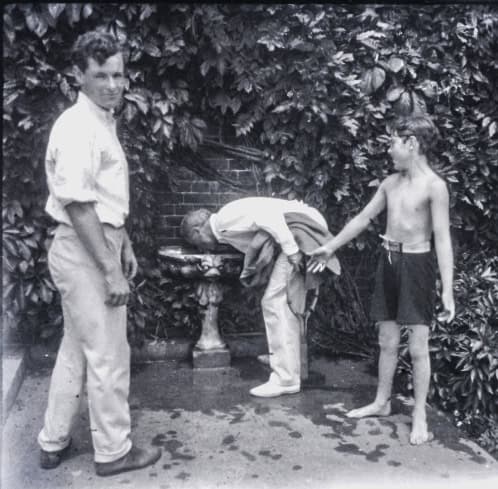
Among the collection of historic photos is Mr. Phipps, holding a tennis racket and drinking from the water fountain at the base of the double staircase leading from the South Terrace to the lawn.
A while back, there was a newsletter feature about an elaborate Tennis House George A. Crawley envisioned for his patron. Dated 1908 and displayed in Paris at the Salon des Artistes, the amazingly detailed structure was never built.
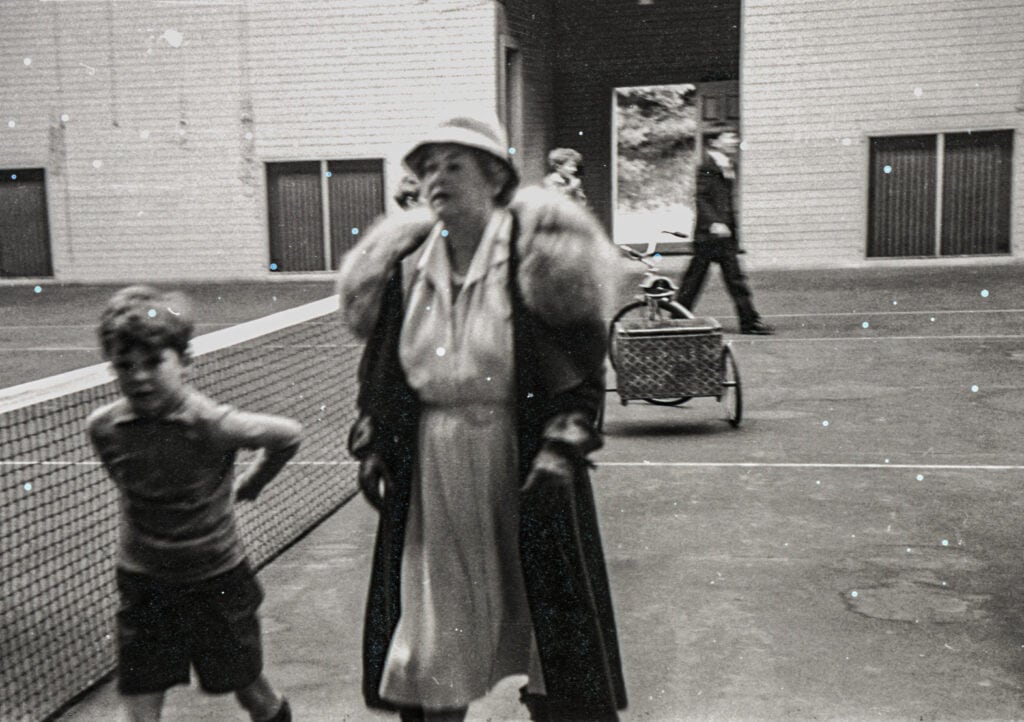
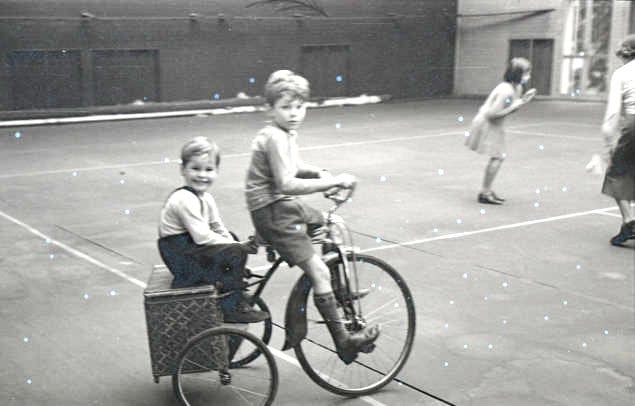
Aerial views of the estate from the 1920s show the Tennis House roof. There is correspondence from that period from Crawley regarding his design for the entry door to a tennis house, but then the clues fade. The structure may have been a collaboration between Crawley, who was in ill health, and Long Island architect James W. O’Connor, who specialized in such structures. The court floors were of strip pine and, in later years (the 1940s), were covered in rubber matting, becoming a giant playhouse for the Phipps grandchildren and their English relatives seeking refuge during the war.
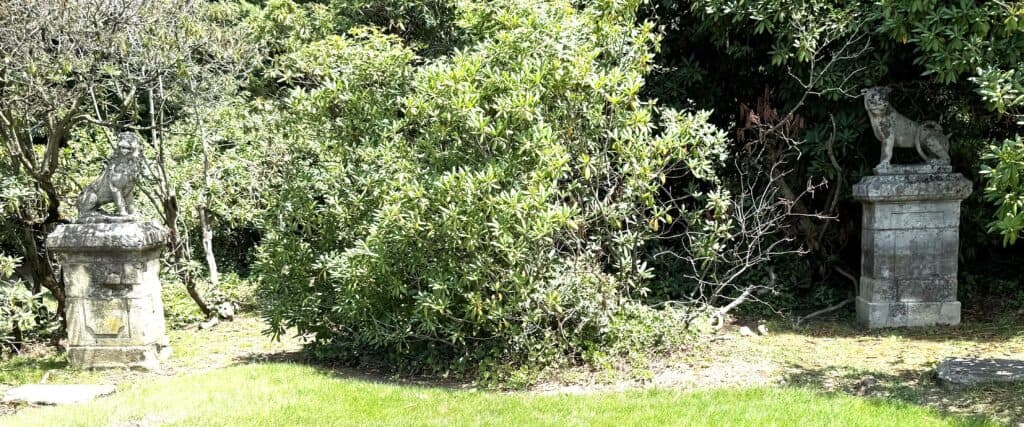
Along the east drive leading to the front courtyard of Westbury House is a pair of ancient limestone lions on pedestals. The figures marked the entrance to a path leading to the Tennis House. It ran east, with a small bridge spanning the delivery road that led to the Service Wing and Laundry Building. The Tennis House was located behind the Laundry Building in what is now the staff parking area and protected woodland.
We have yet to discover clear photos of it and make do with a 1989 structures report on the Tennis House, complete with a daunting list of repairs necessary to make the building safe for occupancy. It had fallen into disrepair, and after careful cost analysis and consideration of its potential use for Old Westbury Gardens, Mr. Phipps’ daughter, Peggie Phipps Boegner, who was Chairman of Old Westbury Gardens at the time, made the difficult decision to raze it. How successful a renovation would have been is unknown, but the cost would have negatively impacted the care of the gardens and Westbury House—the very features that define Old Westbury Gardens and remain at the core of the visitor experience.
If you would like to see more historic photos and films from the archives, you will find an entertaining selection at New York Heritage Digital Collections.